CELF’s Civic Science: Inquiry to Action program engages students in hands-on learning to identify, analyze, and solve environmental challenges that impact their schools, neighborhoods, and beyond.
By navigating the connection between science, society, and policy, young people are empowered to make a positive impact on our world. Led by classroom teachers trained and supported by CELF, students are transformed into active global citizens, ready to face tomorrow’s challenges head-on.
Civic Science: Inquiry to Action is what every student, teacher, and community needs now. Environmental and social justice issues affect everyone—whether we live in big cities or small towns. It’s vital for students to understand the impact of environmental degradation and the importance of clean air, soil, waterways, parks, and playgrounds. As biodiversity loss threatens human survival, future generations are critical stewards of the globe.
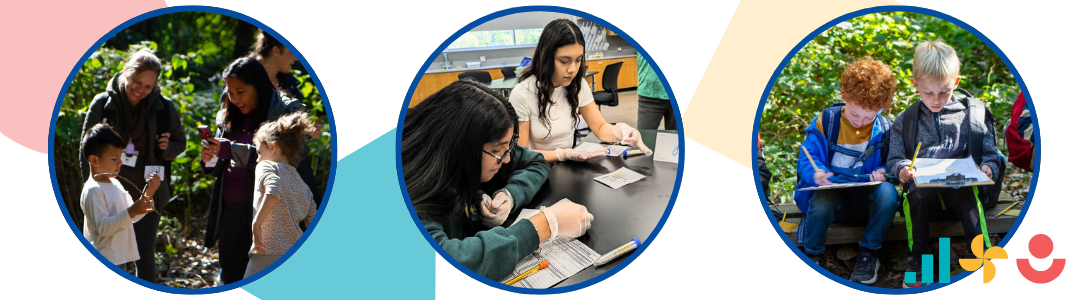
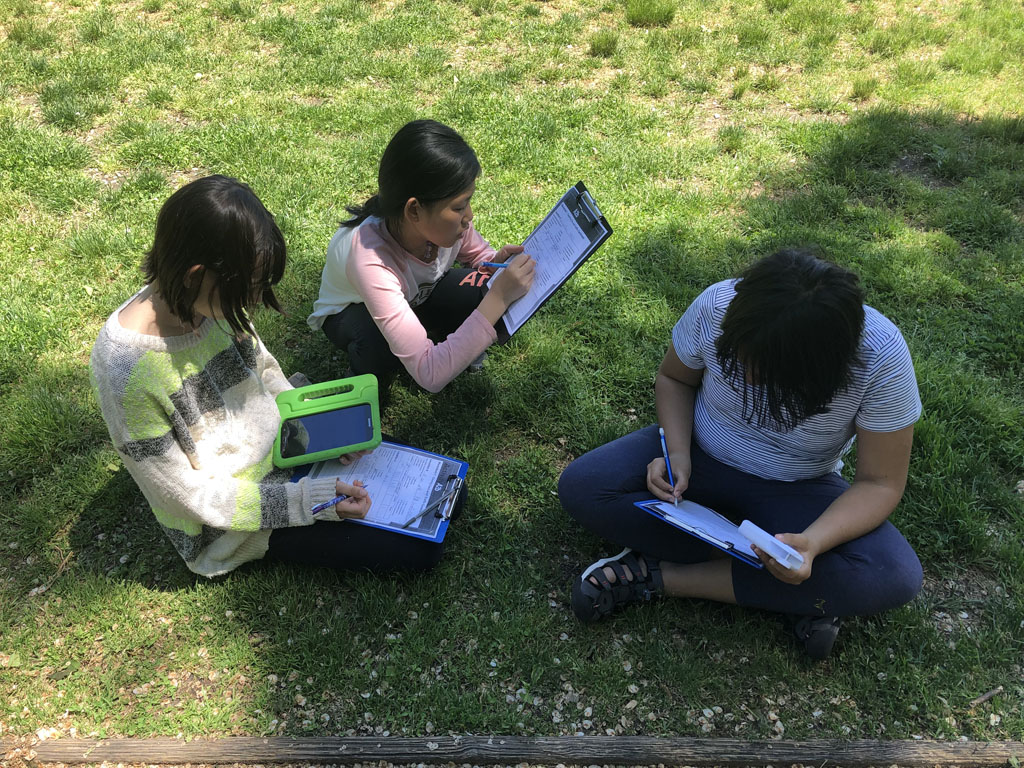
CELF Civic Science: Inquiry to Action is an exciting semester- or year-long program that engages students in project- and place-based STEAM learning beyond the classroom. Students will conduct environmental research in their communities with field-expert guidance. They’ll collect, analyze, share their data, and collaborate to determine causes and design solutions. Finally, students will present their findings to an audience of peers and policymakers, inspiring innovation, and action!
Civic Science: Inquiry to Action connects students and teachers with local leaders, community partners, and experts to identify and solve our communities’ environmental challenges. CELF partners with top healthcare facilities, higher-education, and government agencies to bring expertise to student-led projects. Civic Science: Inquiry to Action builds community and empowers students to find their voices to affect change.
Meet Our Partners! CELF’s partners include the Mount Sinai Pediatric Environmental Health Specialty Unit, Habitat Map, NYC DOE Department of Health, and CUNY School of Law in New York; and SPLASh, Bayou Preservation Association, Lone Star College -Kingwood, and University of Houston Clear Lake in Texas.
Who benefits? You! Find out more:
For Teachers
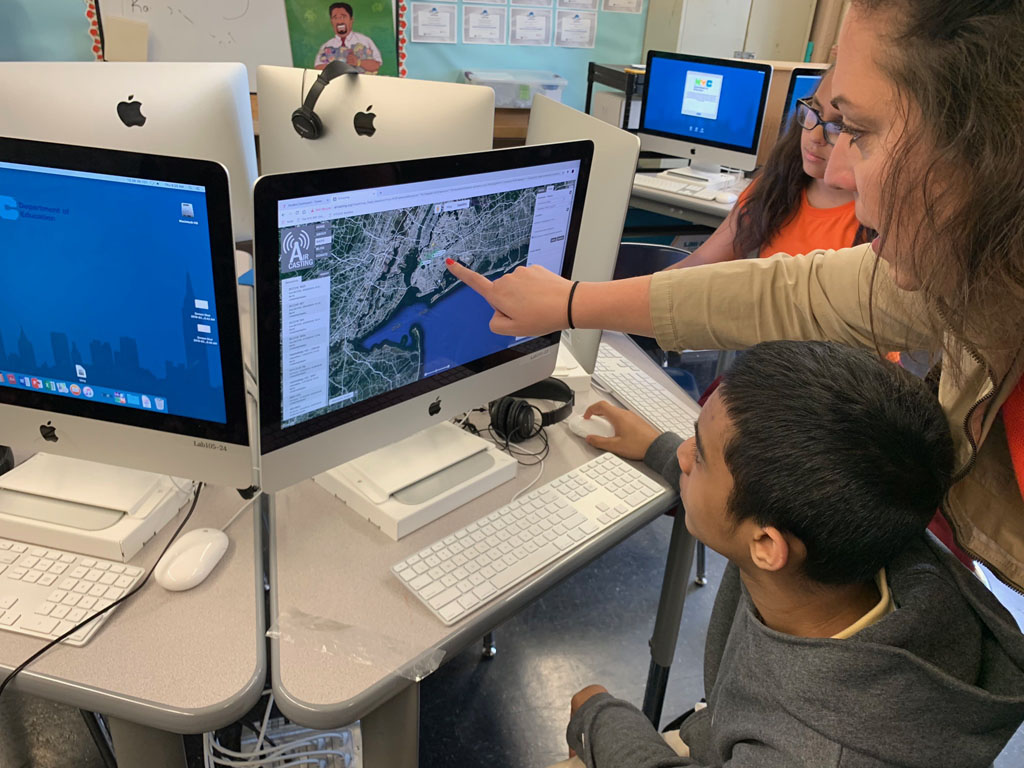
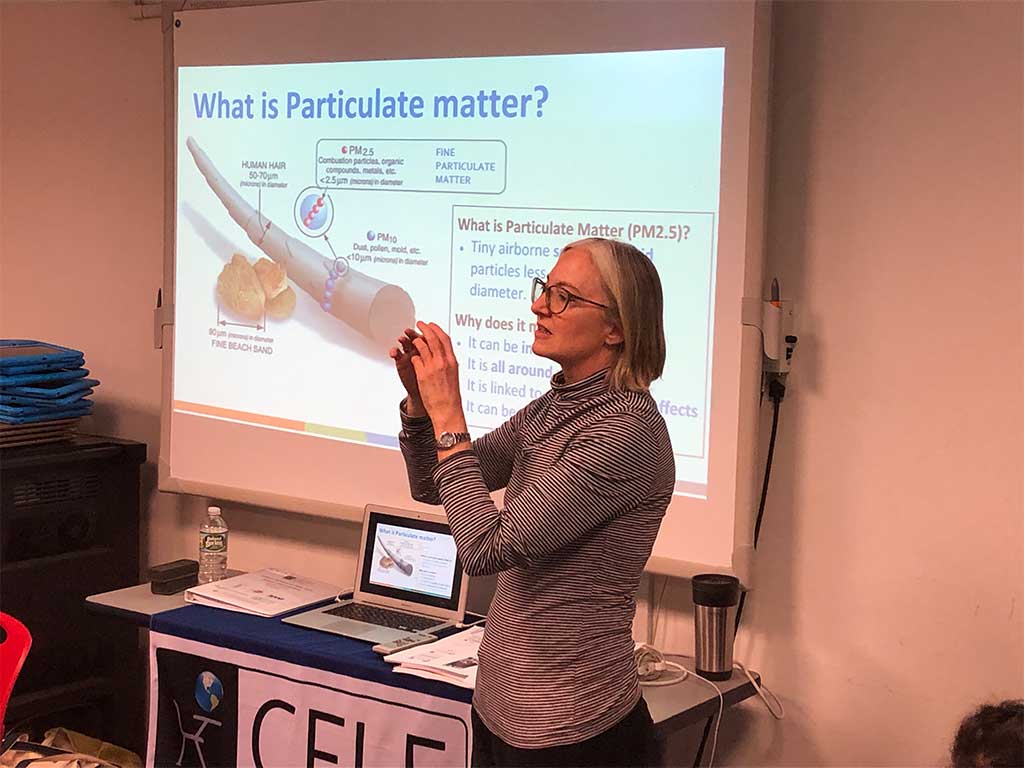
Teachers will Implement a project-based STEM learning experience and: Participate in professional learning workshops paired with on-site educator support; Train to use monitoring technology combined with crowd-sourced data-sharing platforms; Learn pedagogical principles that apply to a range of civic science subject areas, including air and water quality, biodiversity, and soils/garden; Engage with local concerns; Prepare students for a (virtual or in-person) symposium with schools across the country
For Students
Students will explore the science and math of environmental issues and: Learn strategies of scientific data collection and analysis; Examine the intersections of environment, society, and policy; Investigate the relationship between environmental degradation and social issues, such as air pollution and poverty; Collaborate with other students; Acquire skills in data presentation, public speaking, Research Poster design; Connect with their communities; Experience true project- and place-based education in their neighborhoods
For Field Experts and Local Leaders
Field Experts will: Provide material and expertise to enhance content knowledge; Provide technology to monitor/measure pollution and support ongoing use of related apps; Support the CELF Civic Science Program
Local Leaders will: Introduce students to the legislative process; Offer insight into how innovative ideas can become policy; Engage with students and teachers by attending the culminating Student Symposium
Join us this School Year!
CELF’s Civic Science: Inquiry to Action Program for the 2025-26 school year will provide educators with field-based and virtual professional development opportunities, resources, and a community of practice to support you in guiding your students in community projects, with opportunities for students to present their research findings and share their action plans with community stakeholders and decision-makers during our culminating Student Symposium events. This year’s cohort will include tailored support for projects focused on climate, food systems, renewable energy, waste, air, and water issues.
Participating teachers will have access to:
• Microgrants (up to $1,000) to support student field trips and/or project resources • Digital resources for various pathways of study • CELF’s Student Symposium events in Spring 2026 • Teacher stipends upon program completion
Learn more below, and register today!
Civic Science 2025-26
Location: Varies Dates: September 2025 – May 2026
Join CELF’s 2025-26 Civic Science cohort to receive year-round training and support to help you cultivate the next generation of climate and environmental leaders. Leveraging CELF’s Inquiry to Action Framework, this program will include after-school field events, virtual sessions, office hours, and 1:1 coaching to support you in developing and implementing student inquiry projects, and preparing your students to present on their projects and action steps during our culminating Student Symposium events in spring 2025.
Tuition: Free Funded through the generosity of CELF supporters
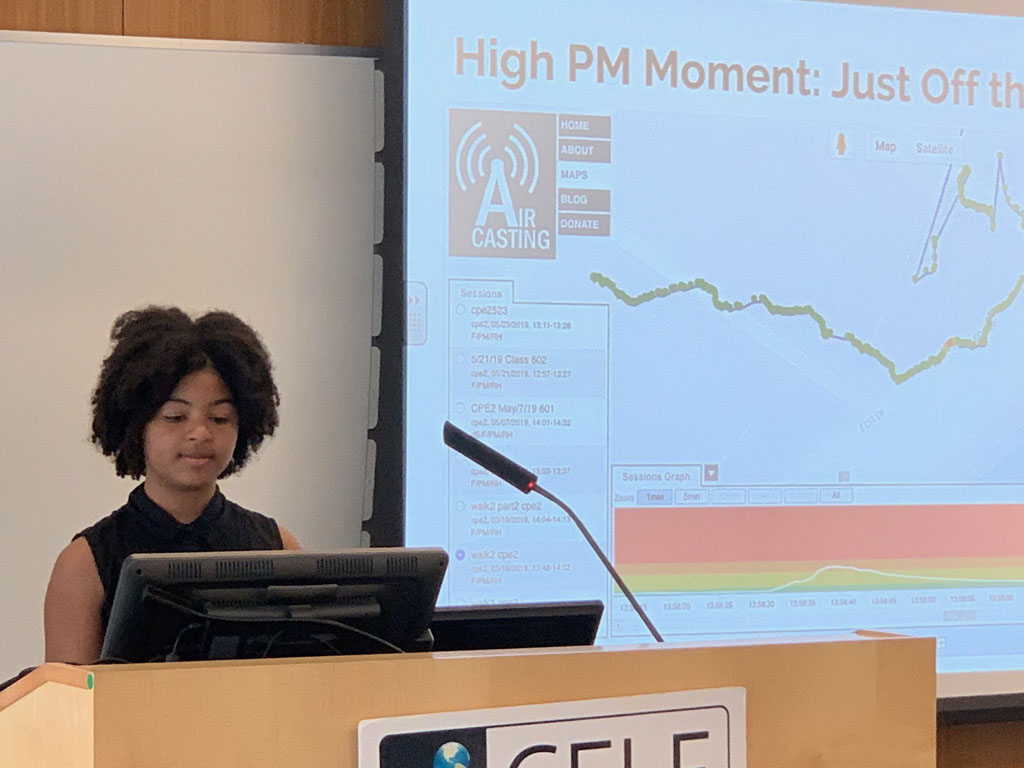
CELF’s Civic Science program culminates annually with a Student Symposium, where students and teachers present their place- based inquiry projects on topics like urban green spaces, air quality, and environmental justice to peers, CELF staff, and industry leaders.
Cost: Free Funded through the generosity of CELF supporters
Grant and stipend opportunities may be available during the school year. We will do our best to match you to the most suitable cohort and available scholarship/stipend opportunities. Based on your responses, we will notify you of acceptance and program details on a rolling basis as applications come in.
What are the program costs?
This is a fee-for-service program with grant-funded opportunities offered throughout the year.
What issues have students researched?
Students have already investigated pollution stemming from idling buses, indoor cleaning products, a local industrial park, and a nearby expressway. They’ve explored the influence of precipitation on pollution, how air quality affects wetlands, and the impact of expired air filters on a school’s indoor air. They’ve examined issues of equity, environmental justice, how a school garden benefits a community, and much more!
How/when do students share their research?
Programs culminate with a Student Symposium in the spring. CELF has hosted both regional Student Symposiums in-person and Virtual Student Symposiums. This interactive experience allowed students and teachers to present their semester-long work to each other, the CELF staff, and scholars and educators from other participating schools. Utilizing a place-based approach, students tackled a variety of STEAM-related topics, including urban greenspaces, air quality, and environmental justice.
What resources, support, or materials are provided?
CELF’s professional learning workshops train teachers of grades 5-12 to develop and implement a Civic Science project unit tailored to their schools’ existing grade level scope and sequences. CELF educators provide teachers with on-site support, technology troubleshooting, and project implementation services. The Civic Science framework is adaptable to hybrid classrooms, with both online and in-person learning.
Are there professional development opportunities?
CELF’s professional learning workshops will train teachers of grades 5-12 to develop and implement a Civic Science project unit tailored to their schools’ existing grade level scope and sequences. CELF educators provide teachers with on-site support, technology troubleshooting, and project implementation services. The Civic Science framework is adaptable to hybrid classrooms, with both online and in-person learning.
Does this program connect to other curriculum areas?
This program offers a seamless connection to Next Gen Science Standards and opportunities for an interdisciplinary crossover with Language and Literature, Social Studies, Math, Art and even Music!